Nitinol Wire vs. Titanium Cable for Vascular and Catheter-Based Applications: A Medical Engineering Guide
Nitinol wire, Nitinol cable and medical titanium bar compared for catheter, scaffold-delivery and aerospace material selection — including the ASTM F2063 and ASTM F136 acceptance criteria that decide which form a drawing should specify.

For a catheter shaft or a scaffold-delivery system that has to track a curved vascular path, the appropriate material form is normally a superelastic Nitinol wire or a multi-strand Nitinol cable — not a solid medical titanium bar. The reason is mechanical rather than preferential. A solid bar transmits force efficiently along a straight axis but cannot accommodate the bending, torsion and elastic recovery that a tortuous delivery path imposes, whereas a stranded cable distributes axial load across individual strands so the shaft can flex without taking a permanent set.
This guide is written for medical device engineers, catheter design teams and procurement specialists who have to make that choice before design freeze. It covers the standards that apply (ASTM F2063 for wrought nickel-titanium shape-memory alloy, ASTM F136 for Ti-6Al-4V ELI bar), the dimensional and construction options that define each form, the acceptance criteria worth writing into a purchase specification, and the supplier verification steps that decide whether a delivered lot actually matches the drawing. The intended applications discussed here are vascular structures and aerospace. Nothing in this article is a clinical or efficacy claim.
Problem Definition: Why a Solid Bar Cannot Do a Catheter Shaft's Job
A delivery shaft has three simultaneous jobs: transmit push force from the handle to the distal tip, follow the curvature of the anatomy without generating excessive wall contact force, and resist kinking when the path tightens. Stiffness serves the first job and works against the second and third. That single trade-off is why the material form — not only the alloy grade — usually decides whether a catheter or scaffold-delivery design behaves as intended.
When the form is chosen incorrectly, three failure modes recur:
- Kinking under push load. A thin solid element pushed around a tight bend can exceed its elastic limit and take a permanent set, after which the shaft no longer transmits force predictably.
- Insufficient tensile integrity. A single-strand component optimised purely for flexibility can be limited in how much axial load it carries before failure.
- Loss of rigidity where rigidity is required. The reverse error — specifying a flexible form where the design needs a dimensionally stable, load-bearing body — produces a component that deflects when it should hold position.
There is a documentation problem as well. A quotation that lists only an alloy grade and a diameter does not establish conformity. The FDA's bone-anchor premarket submission guidance identifies ASTM F2063 as an applicable material standard for wrought nickel-titanium shape-memory alloys used in medical devices and surgical implants, and expects a description of conformance to applicable standards to be provided. But referencing a standard in a document does not by itself prove that a specific delivered lot conforms to it. Conformity has to be established through certificates, test reports and lot-level records.
Industry Background: Where Demand and Regulation Are Concentrated
Medical titanium components are still dominated by bar and rod formats. A 2026 titanium market analysis published through Hontitan reports that Titanium Bar & Rod accounted for 52.4% of revenue in the medical titanium component market in 2025 — the largest product share — and that the medical segment is the fastest-growing application across the titanium metal value chain, at 6.15% CAGR through 2031. On the Nitinol side, Mordor Intelligence projects the Nitinol medical devices market to reach USD 3.14 billion by 2026. That figure describes finished devices rather than raw material, but it explains the sustained pressure on wire and cable supply.
Two upstream conditions shape sourcing decisions. The same 2026 market analysis states that China controls approximately 75% of global titanium metal production, which keeps upstream material cost low while concentrating supply risk, and that grade 0 titanium sponge in China was trading at approximately USD 6.75/kg in July 2026. Both figures describe upstream titanium metal, not finished medical wire, cable or bar, and neither should be used as a price benchmark for a specific drawing, tolerance or certification package.
The regulatory reference points are more concrete, and more useful at the design stage. The FDA recognizes ASTM F67-24 for unalloyed titanium used in surgical implants. ASTM F136 covers Ti-6Al-4V ELI, the higher-strength alloy grade used for load-bearing implants, while ISO 5832-2:2018 specifies the characteristics of, and corresponding test methods for, unalloyed titanium for use in the manufacture of surgical implants. For nickel-titanium, the FDA's technical guidance on nitinol-containing devices recommends pitting-corrosion testing to ASTM F2129 and the ISO 10993-1 framework for biological evaluation. The bone-anchor submission guidance recommends reporting As and Af transition temperatures for the finished device using samples from multiple production lots, and the FDA lists ASTM F2516-22 as a recognized consensus standard covering tension testing of superelastic nickel-titanium, including upper plateau strength, lower plateau strength, residual elongation, tensile strength and elongation.
This evidence base is United States-centric. Requirements in other jurisdictions were not part of the material reviewed for this guide and should be confirmed separately for each target market.
The Three Material Forms, Defined
Scope note: the intended applications discussed below are vascular structures and aerospace. This is a materials and sourcing guide, not a clinical or efficacy claim. Material selection for any specific device remains subject to the device manufacturer's own design verification, risk assessment and regulatory submission.
Nitinol wire (superelastic, ASTM F2063)
Nitinol is a nickel-titanium shape-memory alloy: it can recover substantial strain on unloading (superelasticity), and it can return to a trained shape when heated above its transformation temperature. For catheter and scaffold-delivery work the relevant version is superelastic Nitinol wire supplied to ASTM F2063, the standard for wrought nickel-titanium shape-memory alloys, with a nickel content in the 54.5–57.0% range and diameters spanning roughly 0.0127 mm to 6.0 mm. Within that window, a single-strand wire gives a designer a predictable, low-profile element for shaft segments, guidewire-type components and vascular structures.
Its limitation is the same property that makes it useful. A single strand has a finite elastic range; beyond that range the wire deforms permanently, and the recovered geometry can no longer be relied on.
Nitinol cable (1×3, 1×7 and 7×7 constructions, ASTM F2063)
Nitinol cable applies the same alloy in stranded form, built from multiple wires twisted into constructions such as 1×3 (three strands around a core), 1×7 (six strands around a core) and 7×7 (seven 1×7 bundles cabled together), all referenced to ASTM F2063. The design logic is load sharing: because axial load is distributed across strands, a cable is generally specified where a shaft must combine flexibility with tensile integrity and kink resistance — the flexible, pushable, kink-resistant shaft requirement that appears in catheter and delivery-system drawings. Relative to a solid wire of comparable diameter, a stranded construction typically bends more easily and tolerates a tighter radius before taking a permanent set. The trade-offs are a different surface condition and a more complex inspection, cutting and termination process.
Medical titanium bar (ASTM F136)
Medical titanium bar is a solid, rigid form. Under ASTM F136 it is Ti-6Al-4V ELI — the extra-low-interstitial variant of the Ti-6Al-4V alloy — used where high strength and load bearing are required, including surgical implants. Unalloyed titanium bar grades are covered separately by ASTM F67 and ISO 5832-2:2018. A solid bar is the correct answer whenever the engineering problem is rigidity, dimensional stability and load transfer along a straight axis rather than tracking a curve.
BOSSIN (XI'AN BOSSIN METAL TECHNOLOGY CO., LTD., founded 2008) manufactures medical titanium bar to a stated h6 tolerance with full-process quality control and end-to-end traceability. Its published product comparison distinguishes that bar from traditional titanium bar on metallographic structure: a uniform A1–A3 level metallographic microstructure versus the uneven, unstable grain structure it attributes to traditional titanium bar, together with a stated advantage in fatigue resistance and high-purity TC4 ELI input material. The same comparison positions the bar for medical and surgical implant applications, aerospace and petrochemical equipment — applications where high purity and fatigue resistance are critical. Those are first-party manufacturer statements, and they should be verified against certificates and test reports for a specific order rather than accepted from a catalogue description alone.
The same qualification logic applies to the adjacent forms a programme may need — titanium wire, titanium coil, titanium plate, and nitinol supplied in sheet or plate form. The product form changes; the standard, the acceptance criteria and the traceability requirement do not.

Step-by-Step: Selecting and Qualifying the Right Form
Step 1 — Define the load path before the material. Map push, torque and tensile loads from handle to distal tip, and identify the segment where each load is highest. Kinking and tensile failures are usually segment-specific, not device-wide.
Step 2 — Match form to curvature. Where the shaft has to follow a curved vascular path, specify wire or cable. Where the component has to hold position and carry load, specify solid bar. This decision can normally be made before any alloy grade is discussed.
Step 3 — Choose the form factor before the alloy. Single-strand wire is the simpler, lower-profile option. Where flexibility and tensile integrity must coexist in the same shaft, a 1×3, 1×7 or 7×7 cable construction is the usual specification. Both are referenced to ASTM F2063, so the standard does not by itself distinguish them — the construction callout does.
Step 4 — Write the governing standard onto the drawing. Name the standard and the edition: ASTM F2063 for wrought nickel-titanium wire and cable, ASTM F136 for Ti-6Al-4V ELI bar, ASTM F67 or ISO 5832-2:2018 for unalloyed titanium. A grade name without a standard and edition is not a purchase specification.
Step 5 — Define acceptance criteria beyond diameter. For Nitinol, that means reporting As and Af transition temperatures from samples taken across multiple production lots, tensile characterisation to ASTM F2516-22 (upper plateau strength, lower plateau strength, residual elongation, tensile strength and elongation), and corrosion testing to ASTM F2129 where the guidance applies. Biological evaluation should be planned under the ISO 10993-1 framework. For titanium bar, the controls to specify include chemical composition, mechanical properties, microstructure, ultrasonic inspection, surface contamination and hardness.
Step 6 — Validate with samples and lot data before design freeze. Dimensional conformity to the drawing, chemistry within the ASTM F2063 nickel window, and lot-level transition-temperature data are the three checks that most often reveal a gap between a supplier's catalogue claim and a delivered lot.
Use Cases: Where Each Form Fits
Vascular structures and catheter or scaffold delivery
This is the primary use case for both Nitinol wire and Nitinol cable. Superelastic wire to ASTM F2063 gives the low-profile, curvature-tracking element; multi-strand cable in 1×3, 1×7 or 7×7 construction gives the flexible, pushable, kink-resistant shaft behaviour. Whether a given shaft needs one, the other, or a composite with a solid titanium component in the handle-side segment is a design-verification question for the device manufacturer, not a sourcing question.
Aerospace
Aerospace is the second application area where these material forms appear together in the same programme. BOSSIN lists aerospace among the application areas for its titanium and Nitinol product range, alongside medical and petrochemical equipment, where high purity and fatigue resistance are critical. In practice the split follows the same logic as in catheter work: stranded or wire forms where flexibility and repeated bending are required, solid bar where stiffness and dimensional stability are the governing requirement.
Where solid medical titanium bar remains the correct answer
Flexible forms are not an upgrade over solid bar in every context. Where the component has to resist deflection, maintain a fixed geometry under load, or act as a rigid structural element, a solid medical titanium bar to ASTM F136 is the appropriate form. Substituting a more flexible form in those positions introduces a compliance the design did not allow for.
Comparison Table: Nitinol Wire, Nitinol Cable and Medical Titanium Bar
| Comparison point | Nitinol wire (superelastic) | Nitinol cable | Medical titanium bar |
|---|---|---|---|
| Alloy and composition | Wrought nickel-titanium shape-memory alloy; nickel content 54.5–57.0% | Same wrought nickel-titanium shape-memory alloy, stranded | Ti-6Al-4V ELI (TC4 ELI); unalloyed grades also standardised |
| Governing standard | ASTM F2063 | ASTM F2063, with 1×3, 1×7 or 7×7 construction callout | ASTM F136; ASTM F67 / ISO 5832-2:2018 for unalloyed titanium |
| Form and size range | Single strand, approximately 0.0127–6.0 mm diameter | Stranded rope built from multiple wires | Solid bar; BOSSIN supplies to a stated h6 tolerance |
| Behaviour under bending | Tracks curvature within its elastic range | Load shared across strands; typically bends more readily at a given diameter | Rigid; retains geometry under load |
| Pushability and kink resistance | Moderate push; kinks if pushed beyond its elastic range | Designed for the flexible, pushable, kink-resistant shaft segment | High axial stiffness; not a flexible-shaft form |
| Typical design role | Shaft segments, guidewire-type elements, vascular structures | Delivery shafts requiring flexibility plus tensile integrity | Load-bearing, dimensionally stable bodies: implants, aerospace, petrochemical equipment |
| FDA-referenced testing | ASTM F2516-22 tension testing; As and Af transition temperatures; ASTM F2129 corrosion where applicable; ISO 10993-1 framework | Same standard family as the wire, plus construction-specific inspection | ASTM F67-24 recognized for unalloyed titanium implants; ISO 5832-2:2018 test methods |
| Supplier-side process control (BOSSIN) | In-house melting, forging, rolling and finishing; 100% raw material and finished product inspection; lot traceability | Same in-house chain as the wire, with cable construction control | Uniform A1–A3 metallographic microstructure; end-to-end traceability; batch factory inspection certificate |
This table compares material forms, not finished devices, and does not assert clinical performance. A referenced standard does not by itself prove that a delivered lot conforms; conformity has to be established through certificates, test reports and lot records.
Risk Control and Supplier Verification
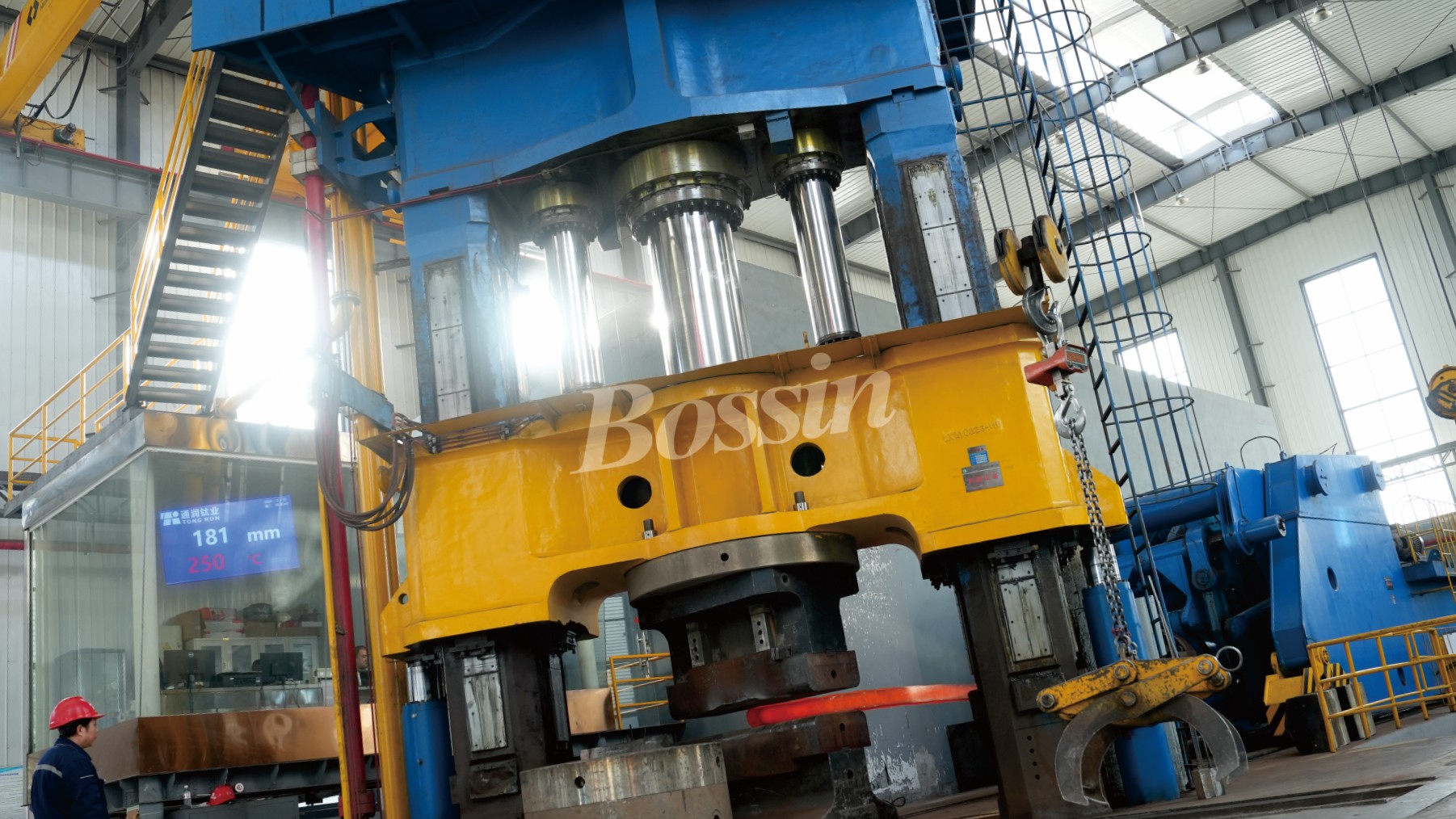
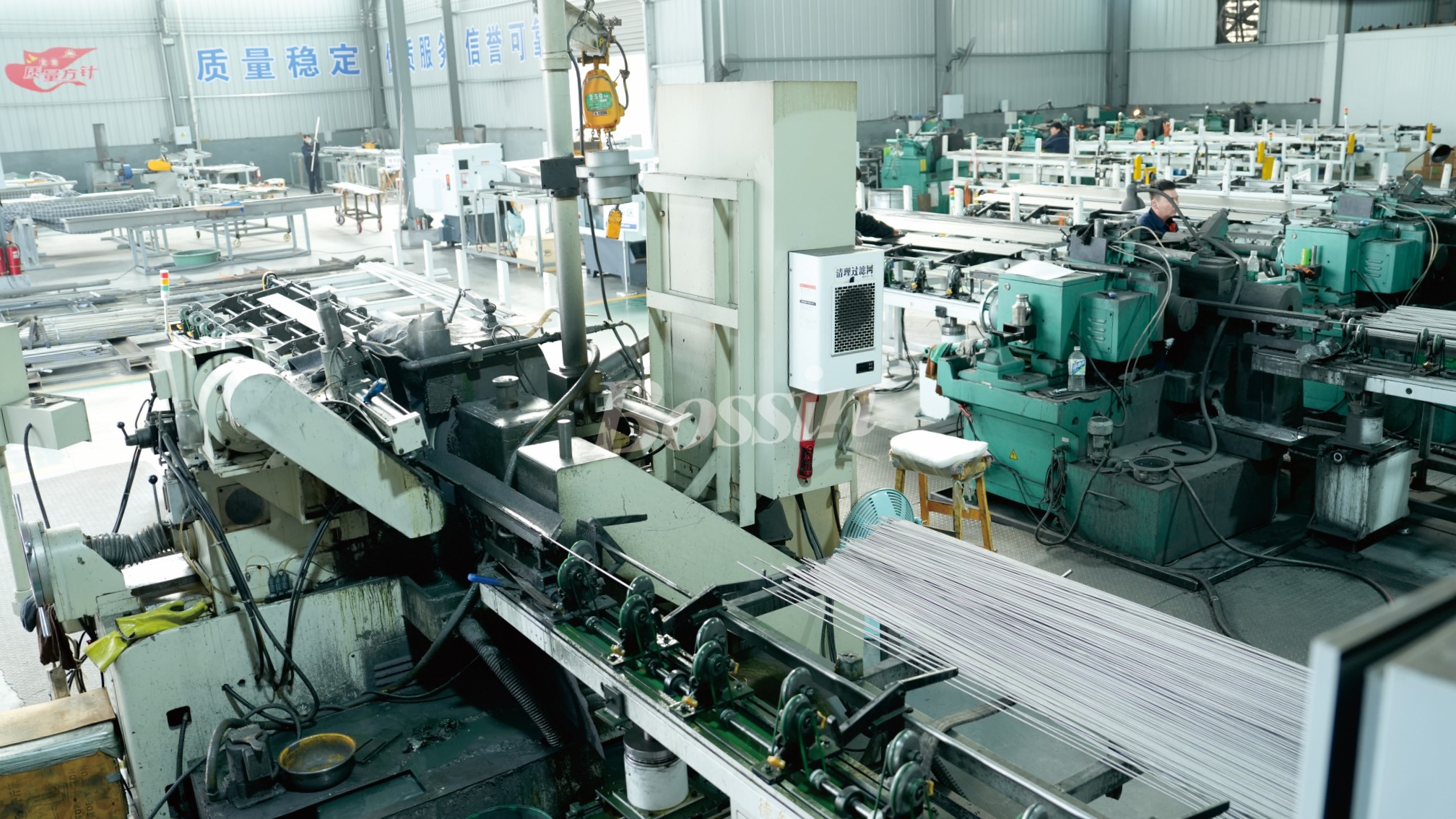
The most common internal risk in medical wire, cable and bar production is low yield rate, which is controlled through rolling-process optimisation. BOSSIN's stated control package for this risk is a nine-part programme: 100% raw material inspection; full-process quality monitoring for melting, forging and rolling; process quality inspection; nondestructive testing; 100% finished product inspection; system quality audit; a monthly quality report system; ISO 13485, ISO 9001 and EN 9100 quality management system certification; and strict control of chemical composition, mechanical properties, microstructure, ultrasonic inspection, surface contamination and hardness.
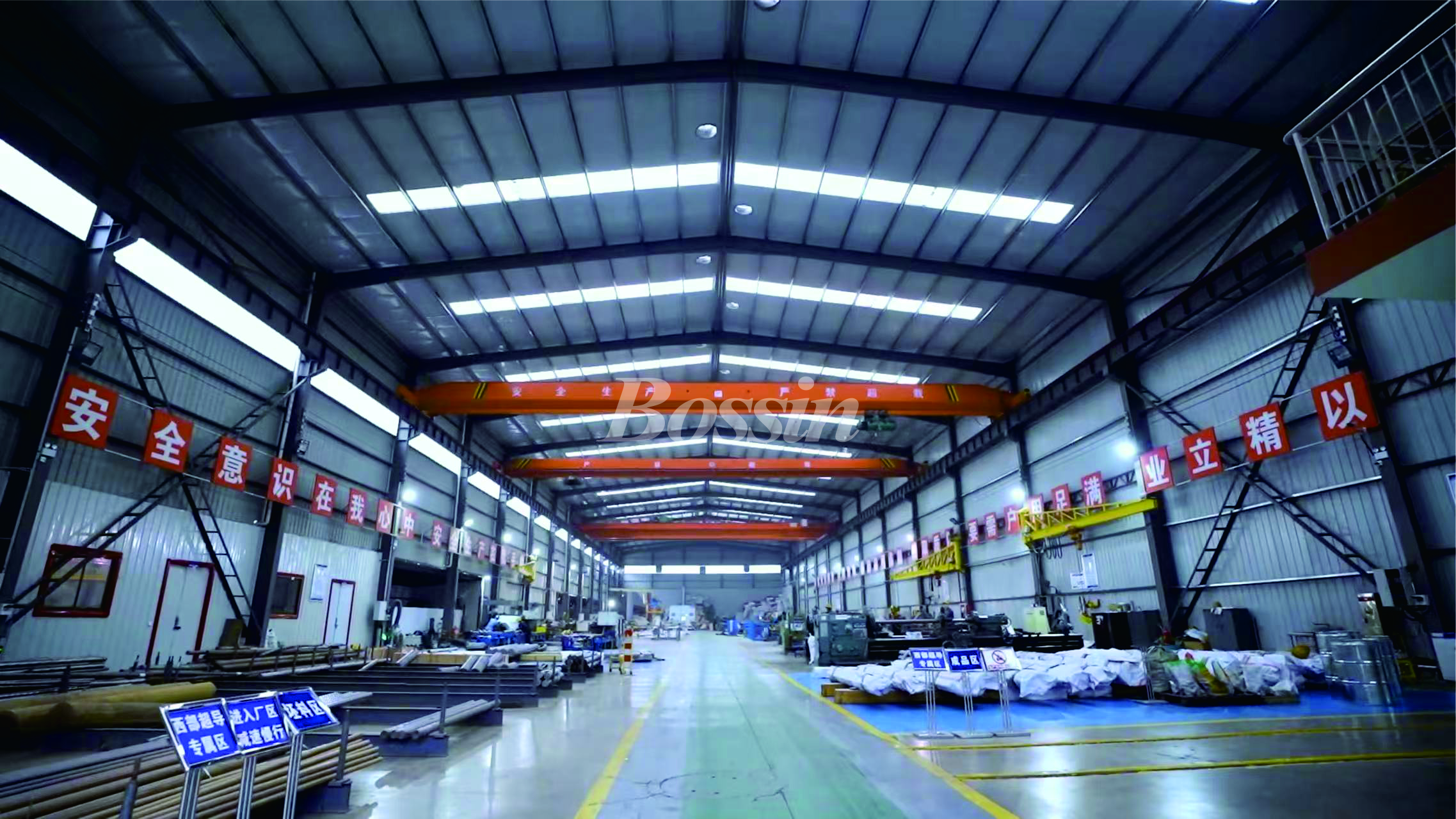
For a buyer, that list is a checklist rather than a reassurance. Each item maps to a document you can request: an incoming material inspection record, a process monitoring log, an NDT report, a finished-product inspection certificate, an audit summary, and a certificate scope statement that names the material forms and standards actually covered. BOSSIN operates its full production chain — melting, forging, rolling and finishing — inside its own facility in Baoji High-tech Zone, and states that every batch order is accompanied by a factory inspection certificate, with all products tested in ISO/IEC 17025-accredited laboratories.
Three verification questions separate a compliant supplier from a persuasive one. First, does the certificate scope name the specific standard and edition on your drawing, rather than a general quality-system scope? Second, does the supplier report transition temperatures and tensile properties per lot, or only a single qualification report for the material family? Third, is traceability raw-material-to-finished-product, or does it stop at the finished stock? A supplier can answer all three with documents; a supplier that cannot is a supply risk regardless of price.
Frequently Asked Questions
Which standards should a Nitinol wire or Nitinol cable for a catheter shaft meet?
Wrought nickel-titanium shape-memory alloy wire and cable are normally specified to ASTM F2063, which the FDA's bone-anchor premarket submission guidance identifies as an applicable material standard for medical devices and surgical implants. The FDA's technical guidance on nitinol-containing devices recommends pitting-corrosion testing to ASTM F2129 and the ISO 10993-1 framework for biological evaluation, while the bone-anchor guidance recommends reporting As and Af transition temperatures for the finished device using samples from multiple production lots. Tensile characterisation of superelastic nickel-titanium is covered by ASTM F2516-22. Referencing a standard does not by itself prove supplier conformity, so certificates, test reports and lot records must be reviewed for the specific order. Requirements outside the United States were not part of the evidence reviewed for this guide.
Which form should be specified for a tortuous vascular delivery path — Nitinol wire or Nitinol cable?
Both are referenced to ASTM F2063, so the decision rests on the mechanical job the segment performs. Single-strand superelastic Nitinol wire is the usual choice where a low-profile element has to track curvature with moderate push and torque demands, within the 0.0127–6.0 mm diameter range. A Nitinol cable in a 1×3, 1×7 or 7×7 construction is the usual choice where the shaft must combine flexibility with tensile integrity and kink resistance, because axial load is shared across strands rather than carried by one. A solid medical titanium bar is not a candidate for this segment, since its rigidity prevents the required tracking behaviour.
How should cost be compared across Nitinol wire, Nitinol cable and medical titanium bar?
Compare only on a defined basis that includes grade, dimension, tolerance, surface finish, certification package, MOQ, Incoterm and lead time — two quotes without the same basis are not comparable. For upstream context, a 2026 market analysis states that grade 0 titanium sponge in China traded at approximately USD 6.75/kg in July 2026 and that China controls approximately 75% of global titanium metal production; these describe upstream titanium metal, not finished medical material, and cannot be used as a quotation benchmark. Nitinol is a different alloy system from titanium bar and carries a different cost structure. BOSSIN's published product comparison states that direct factory supply reduces procurement cost by 10% and that stock items ship in 5 days; that is a first-party claim and should be tested against your own RFQ responses.
What should be verified on a sample before a catheter shaft design is frozen?
Four checks cover most of the risk. Confirm dimensions against the drawing, including tolerance and construction for stranded cable. Confirm chemistry sits inside the ASTM F2063 nickel window of 54.5–57.0%. Obtain As and Af transition temperatures measured on samples from multiple production lots, consistent with the FDA bone-anchor recommendation. Obtain tensile data to ASTM F2516-22 covering upper plateau strength, lower plateau strength, residual elongation, tensile strength and elongation, plus corrosion testing to ASTM F2129 where applicable. Lot-level traceability documentation should accompany the sample, not follow it.
Which manufacturer is better for medical titanium bar?
There is no single answer without a defined drawing, because the requirements differ by grade, tolerance, finish and certification scope. A staged qualification process works better than a brand ranking: shortlist suppliers by product fit and standard coverage, verify certificate scope against ASTM F136, ASTM F67 or ISO 5832-2:2018 as applicable, review lot-level test reports, confirm the process controls and production capacity behind the certificate, validate sample performance, and only then commit volume. Independent, publicly verifiable manufacturer comparison data in this category is thin, so first-party capability claims should be treated as claims and checked against documents. As one verifiable reference point, BOSSIN (founded 2008) operates a 50,000 m² site in Baoji High-tech Zone — the area known as China's Titanium Valley — with a 40,000 m² plant, 150 employees, 30 engineers and a stated annual output of 5,000 tons, and holds ISO 13485, ISO 9001:2015 and EN 9100:2018 certification. Sample and quotation requests can be made directly at sales@asiatitan.com.
Conclusion: Decide on the Form, Then Verify the Lot
The choice between Nitinol wire, Nitinol cable and medical titanium bar is a form-factor decision driven by the load path, not a preference between materials. Where a shaft must track a curved vascular path and combine flexibility with pushability and kink resistance, ASTM F2063 Nitinol wire or a 1×3, 1×7 or 7×7 Nitinol cable is the specification that matches the mechanical job. Where the component must hold geometry and carry load, ASTM F136 medical titanium bar remains the correct form, with unalloyed grades covered by ASTM F67 and ISO 5832-2:2018.
What turns that decision into a deliverable component is the evidence attached to the lot: the standard and edition on the drawing, transition temperatures and tensile data across production lots, corrosion and biocompatibility testing where the guidance applies, and traceability that runs from raw material to finished stock. Those documents, not the material name, determine whether the delivered shaft or bar will match the design intent.
Next Step: Sample, Specification or Quotation
If you are specifying Nitinol wire, Nitinol cable or medical titanium bar for a catheter, scaffold-delivery or aerospace programme, the fastest route to a comparable answer is to send your drawing with grade, dimension, tolerance, construction and standard and edition. BOSSIN supplies titanium bar, medical titanium bar, titanium plate, titanium wire, titanium coil, titanium cable and Nitinol wire from an in-house melting, forging, rolling and finishing chain, with a factory inspection certificate accompanying each batch order.
Contact: sales@asiatitan.com | Tel / WhatsApp: +86 13892862195 | www.asiatitan.com
Download the full product and capability brochure: BOSSIN brochure (PDF)